
Graaaunded, Vearst
Vearst & The Adams: a Similar Refusal
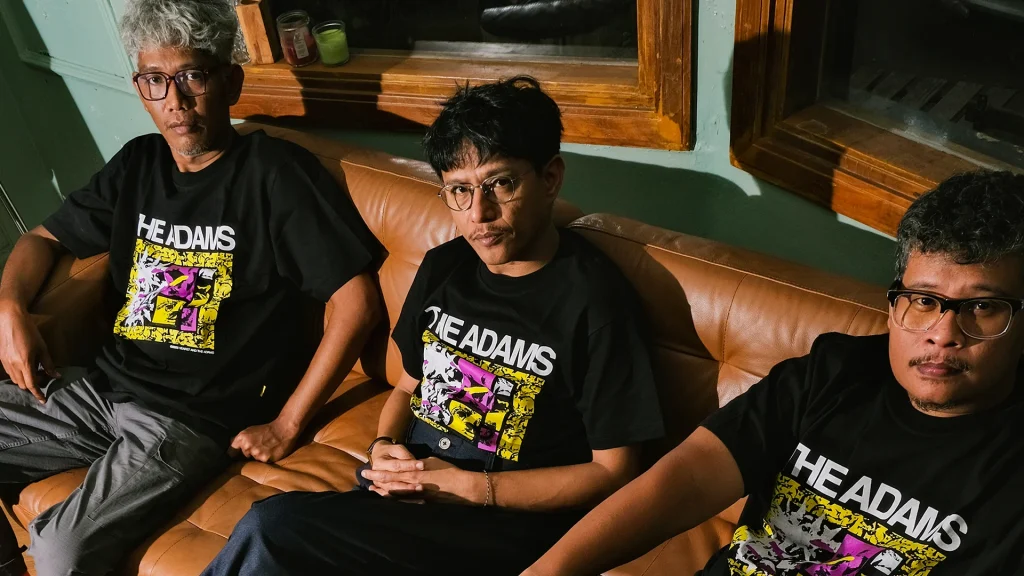
There are bands you listen to. There are shirts you wear. And then there are those rare collisions where both stop being objects entirely—where they dissolve into something harder to name. Memory. Ritual. Myth. A feeling you can’t quite explain but recognize instantly when it passes through you, like a melody you forgot you knew.
This is where Vearst meets The Adams.
The Adams have never really existed in the neat, marketable way bands are supposed to. They don’t sit politely inside genres or timelines. They linger. In the back of your mind. In the spaces between conversations. In the echo of nights that stretched too long and mornings that came too fast. Their songs feel less like compositions and more like fragments of lived experience—half-remembered laughter, the hum of cheap amplifiers, the quiet defiance of staying out when you know you shouldn’t.
They gave us something subtle but lasting: the idea that music doesn’t have to resolve to feel complete. That a chorus doesn’t need to fix you—it just needs to hold you long enough for you to feel something real. Their melodies carry that contradiction effortlessly: heartache that feels triumphant, nostalgia that feels immediate, youth that refuses to be archived.
Vearst was built on a similar refusal.
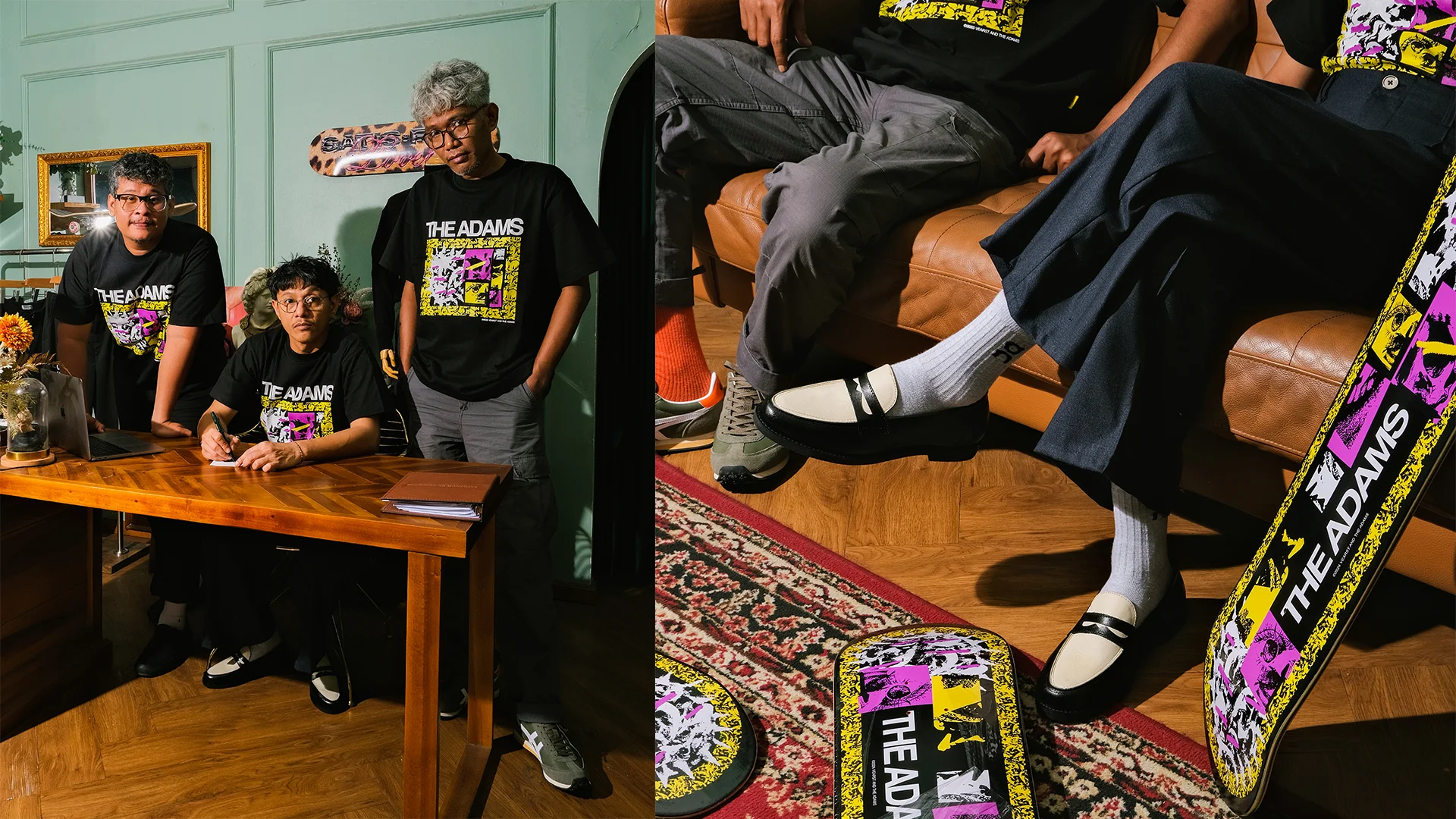
We never believed clothing should behave. Fabric, to us, was never passive. It was always meant to provoke, to suggest, to carry intent. A shirt isn’t just worn—it speaks. We’ve always treated garments like sentences with sharp edges, stitched together with equal parts attitude and vulnerability. Because sometimes what you wear says the thing you can’t.
So this collaboration didn’t feel like a partnership. It felt inevitable.
What we’ve created together is not a collection in the traditional sense. It’s not about drops, seasons, or trends. It’s a capsule, yes—but more accurately, it’s a translation. A way of turning sound into texture, atmosphere into silhouette, memory into something you can hold onto. The Adams’ visual stubbornness—raw, unpolished, almost accidental—intertwined with Vearst’s deliberate cuts and confrontational forms.
The result lives somewhere in between. Tees that feel like bootlegs from a gig that may or may not have happened. Outerwear that carries the weight of a hundred imagined nights. Graphics that don’t explain themselves, because they don’t need to. Every piece is designed not for spectators, but for participants—for the ones who understand that style, like music, is a language of belonging.
This isn’t about fandom. It’s about alignment.
Because the truth is, the people who will wear this already know. They’ve felt it in the low end of a song that hits a little too close. In the quiet confidence of putting something on and suddenly standing a bit straighter. In the unspoken recognition when someone else catches the reference, the mood, the signal.
That’s what this is built for. Not attention, but connection.
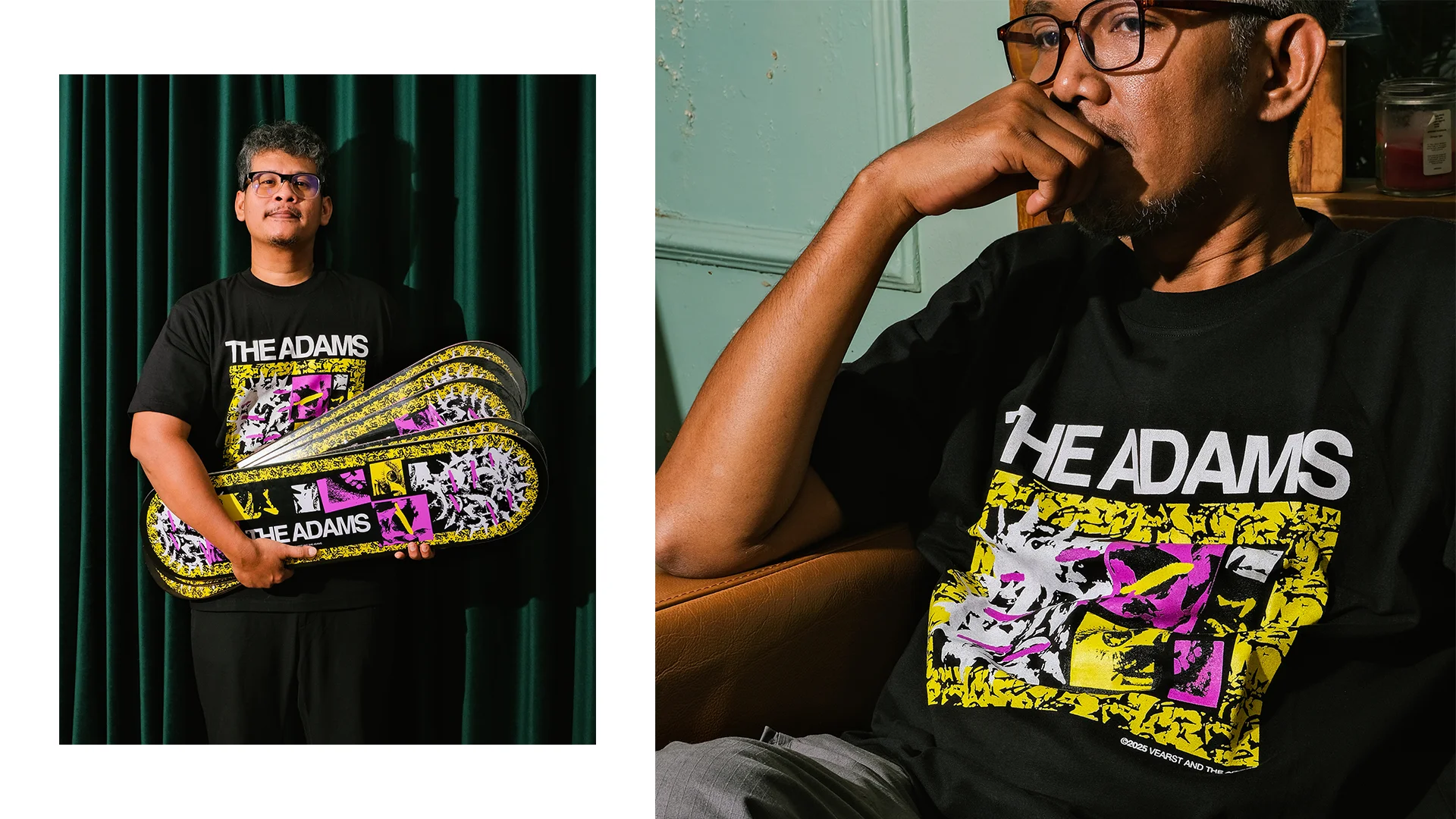
And maybe that’s why it resists easy definition. It’s not fashion, not really. Not merch either. Those words feel too transactional, too small. This is something closer to a uniform—not in the sense of conformity, but in the sense of shared code. A quiet declaration that you’re part of something intangible but undeniable.
A chorus you carry with you. A silhouette that changes how you move. A reminder that art doesn’t end when the song fades or when you leave the room—it lingers, it adapts, it becomes part of you. Because at the end of the day, long after the lights are off and the noise has settled, we’re still there—humming fragments of The Adams under our breath, pulling on something from Vearst without thinking, letting both blur into who we are.
Not as separate things.
But as one continuous feeling.
