
Graaaunded, Vearst
Vearst & Alkateri; Fragments of a Frequency
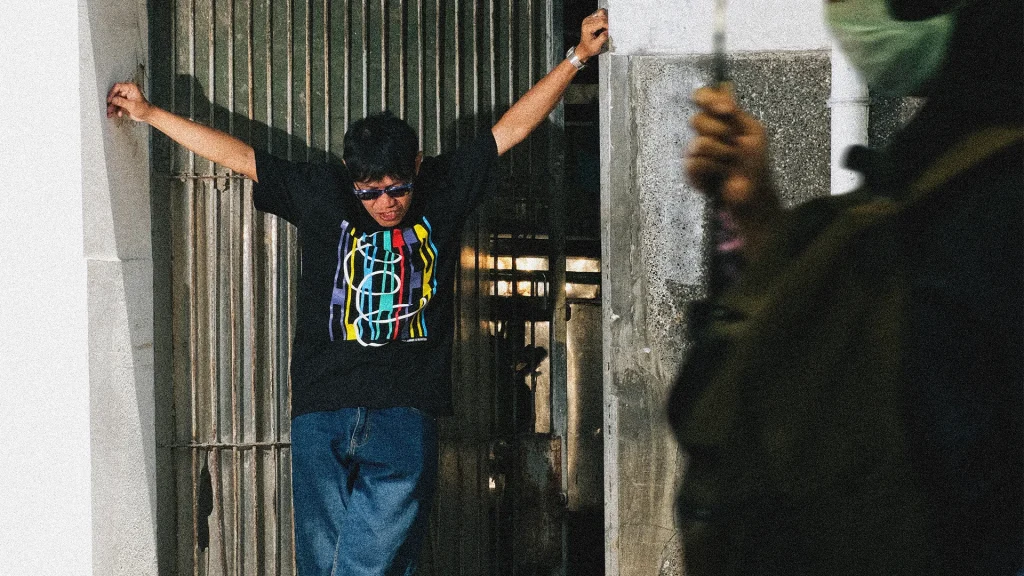
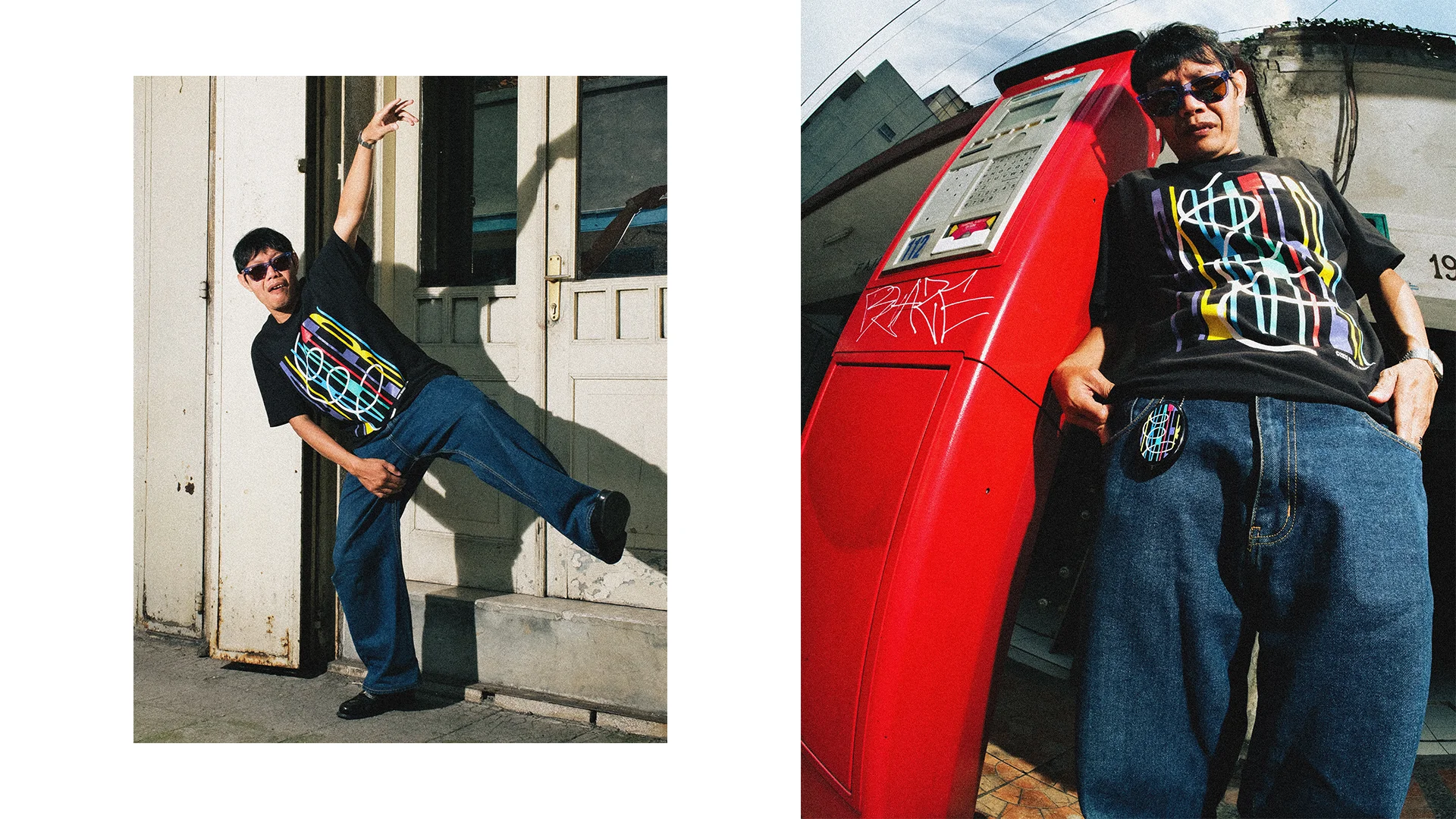
This is not just a shirt. This is not just a pouch. This is a fragment of a scene—stitched, carried, and quietly lived in.
Bandung has never asked for attention. It just hums. A city where distortion melts into poetry, where rain doesn’t fall so much as it lingers—clinging to asphalt, stretching reflections, turning every passing sound into something slightly more cinematic than it should be. You don’t just hear music here; you walk through it. It leaks from rehearsal rooms, spills out of small venues, rides the night air like a low, endless feedback loop.
From the shoegaze haze of the ‘90s to the indiepop pulse of the 2000s, Bandung has always operated like its own frequency—slightly off-center, deeply felt. Not polished, not exported cleanly, but alive in a way that resists documentation. It’s in the missed notes, the overdriven amps, the quiet conversations outside gigs that matter just as much as the songs themselves.
Alkateri doesn’t arrive to recreate that past. It doesn’t need to. What it does instead is continue the signal—stretching it, bending it, letting it evolve without losing its grain. There’s something deliberate in that restraint. An understanding that scenes don’t need revival if they never truly disappeared. They just change shape, find new voices, new textures, new ways to stay unresolved.
Vearst has always approached clothing with a similar instinct.
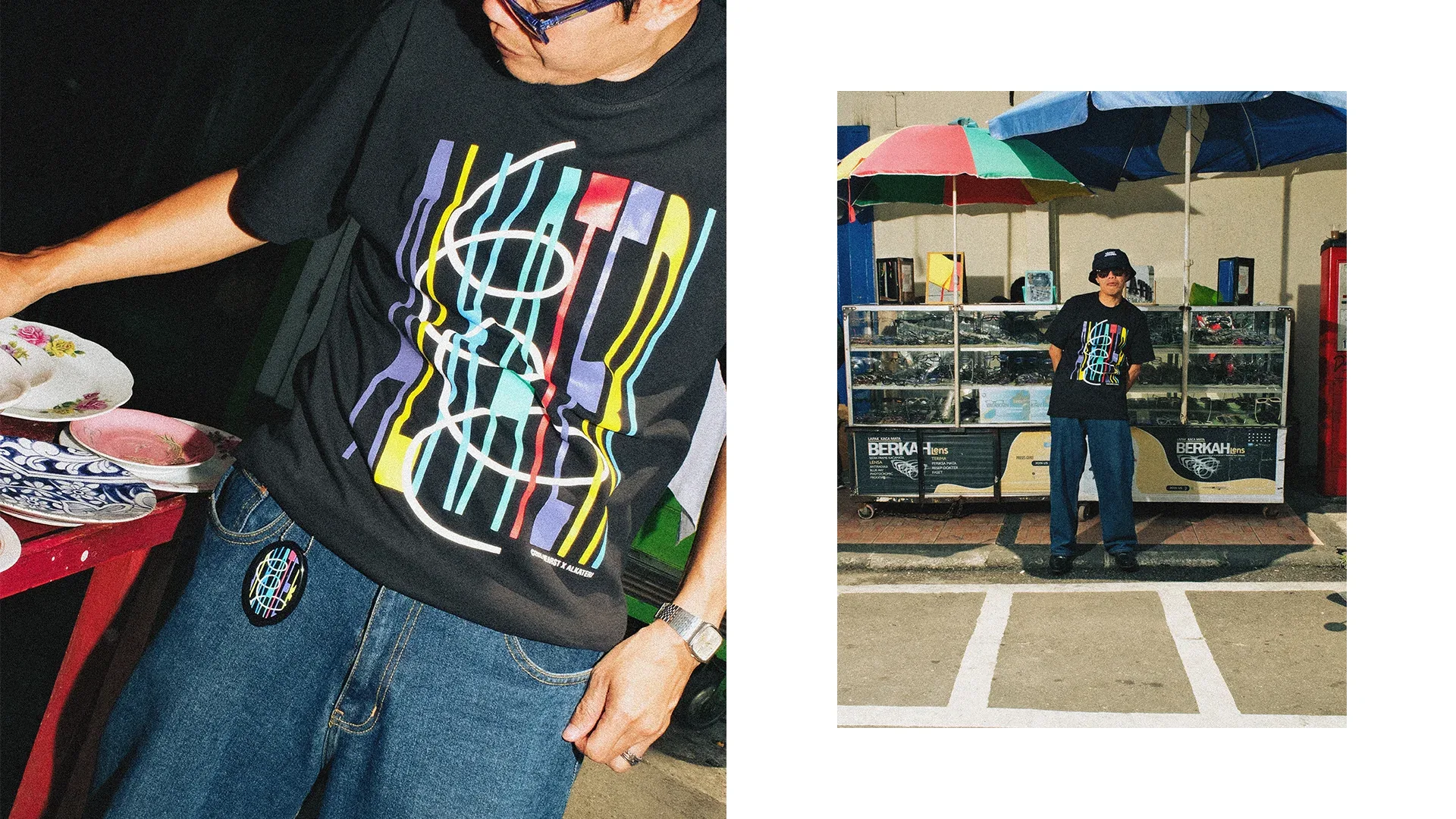
We’ve never been interested in garments as finished statements. They’re starting points. Containers. Things that absorb the environments they move through—smoke, rain, conversation, noise. A shirt isn’t static; it gathers meaning. A small object, like a pouch, becomes a quiet archive of movement. Receipts, coins, picks, fragments of days and nights that blur into each other.
So this collaboration with Alkateri became less about designing products and more about distilling a feeling.
Two pieces. That’s all.
A t-shirt that doesn’t shout, but signals. It sits somewhere between documentation and suggestion—like a gig flyer you found too late, or a band name you heard once and kept thinking about. It’s a canvas, but not a blank one. It carries a sense of belonging without demanding it, allowing the wearer to complete the story simply by existing in it.
And then the coin pouch—small, almost forgettable at first glance, but that’s exactly the point. It lives in your pocket, close, constant. It holds the overlooked details: bus tickets from long rides across the city, crumpled notes, guitar picks worn down at the edges, spare change that somehow always turns into late-night coffee. It’s not about what it carries, but what those things represent—movement, repetition, ritual.
Together, they don’t form a “collection.” That word feels too clean.
They feel more like artifacts. Or maybe evidence.
An archive-in-motion that refuses to sit still long enough to be categorized. Because what they represent isn’t nostalgia, and it isn’t trend-driven either. It’s presence. The ongoing, shifting reality of a sound and a culture that continues to evolve without asking for permission.
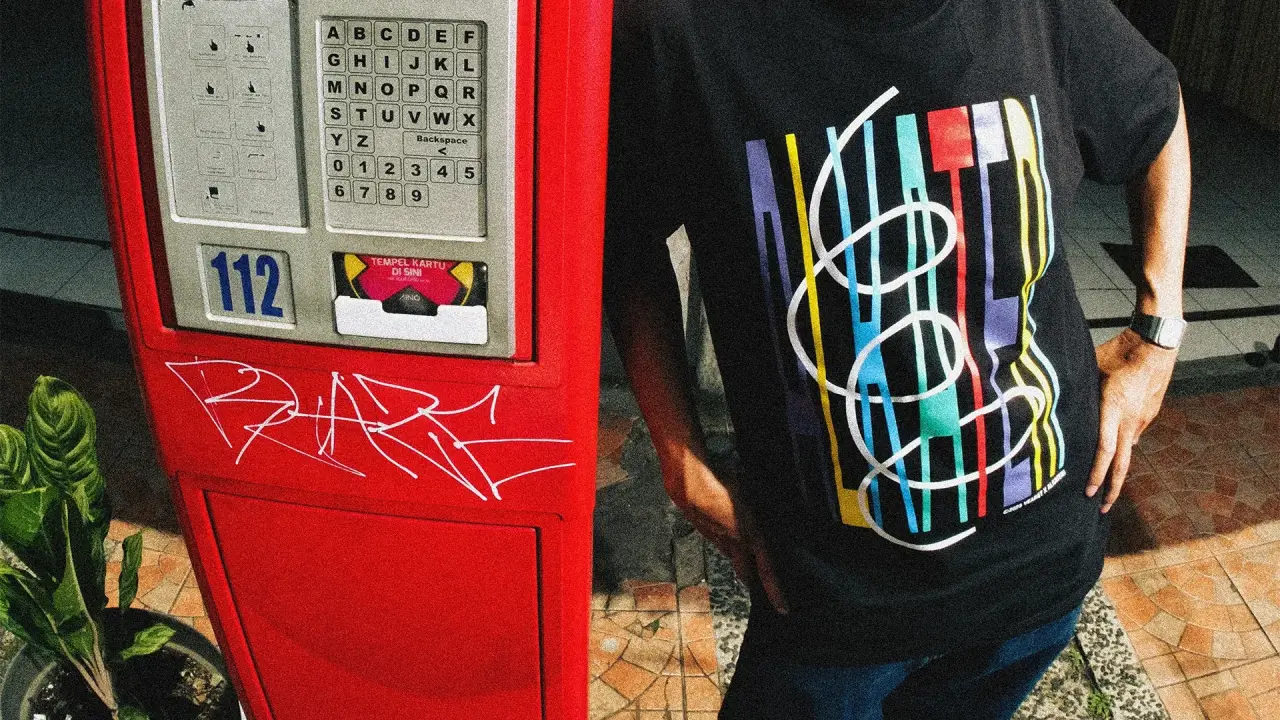
There’s something stubborn in that. And something quietly powerful.
This is for those who understand that scenes aren’t built in headlines, but in moments—standing too close to the speakers, feeling your ribs vibrate, watching a band you’ll never fully explain to anyone else. It’s for those who walk through the blur without trying to sharpen it, who let things remain slightly out of focus because that’s where the feeling lives.
Bandung isn’t a memory. It isn’t a reference point you look back on.
It’s happening. Still.
And this—these pieces, this collaboration—is just one way to carry that forward. Not as a statement, but as a continuation. A quiet signal, still cutting through the static.